Every dog-friendly hotel policy, every pet cabin, every cable car up a mountain comes down to one question: what does your dog actually need? After years of travelling around Europe with Daisy, my dog, that's the rule I come back to again and again. Know your dog.
Some dogs are happy to nap in a hotel room while you're at the spa. Some should never be left alone in a strange place. Neither is wrong, but pretending your dog is one when they're the other is where travel goes wrong, for your dog and for everyone around you. Here's how I think about it.
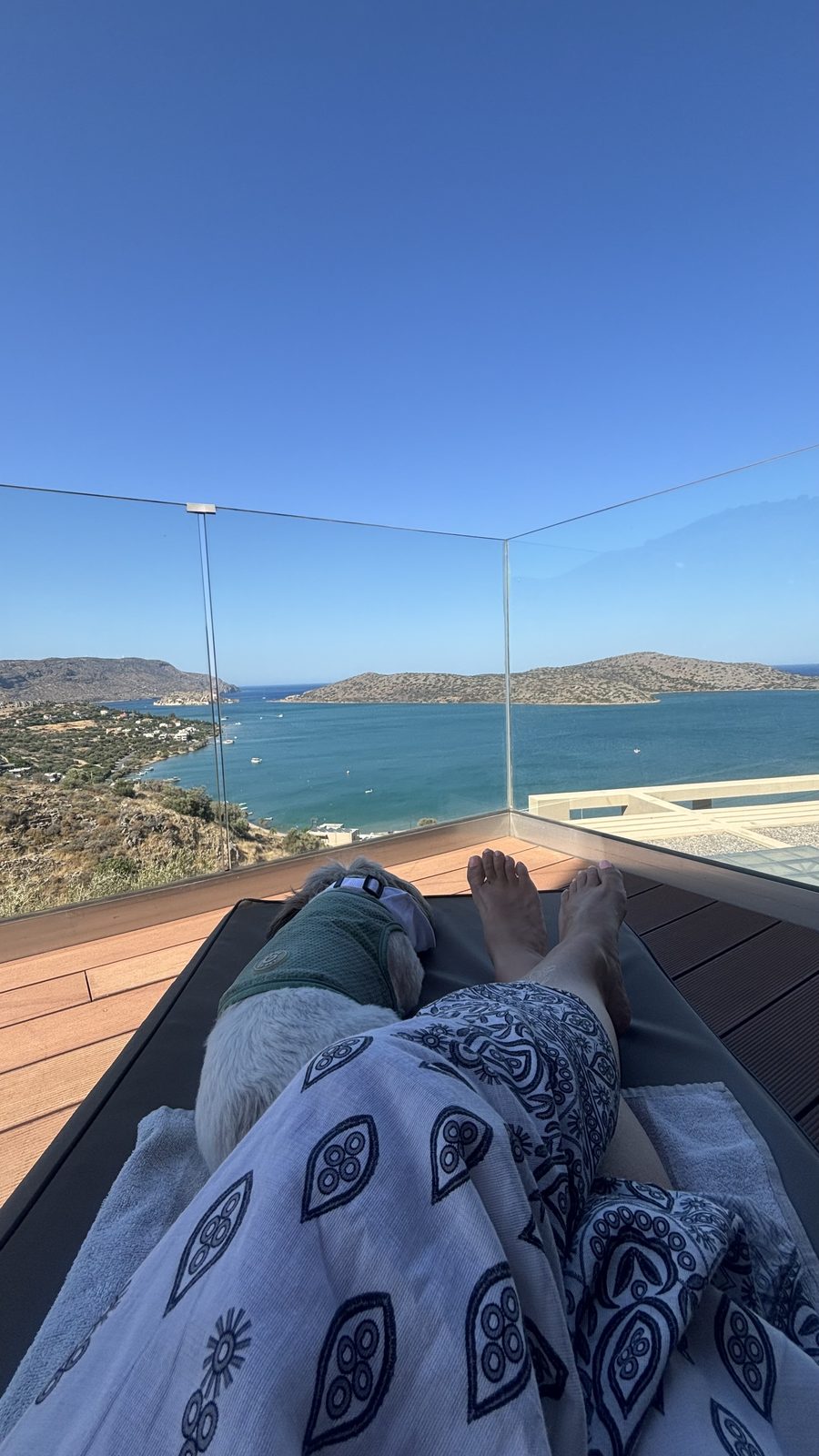
Your dog needs downtime, even if they won't admit it
Dogs cannot be on the go all the time. The problem is, a lot of them will happily try. Daisy is overly social and loves being out, and she'll keep going and going if I let her.
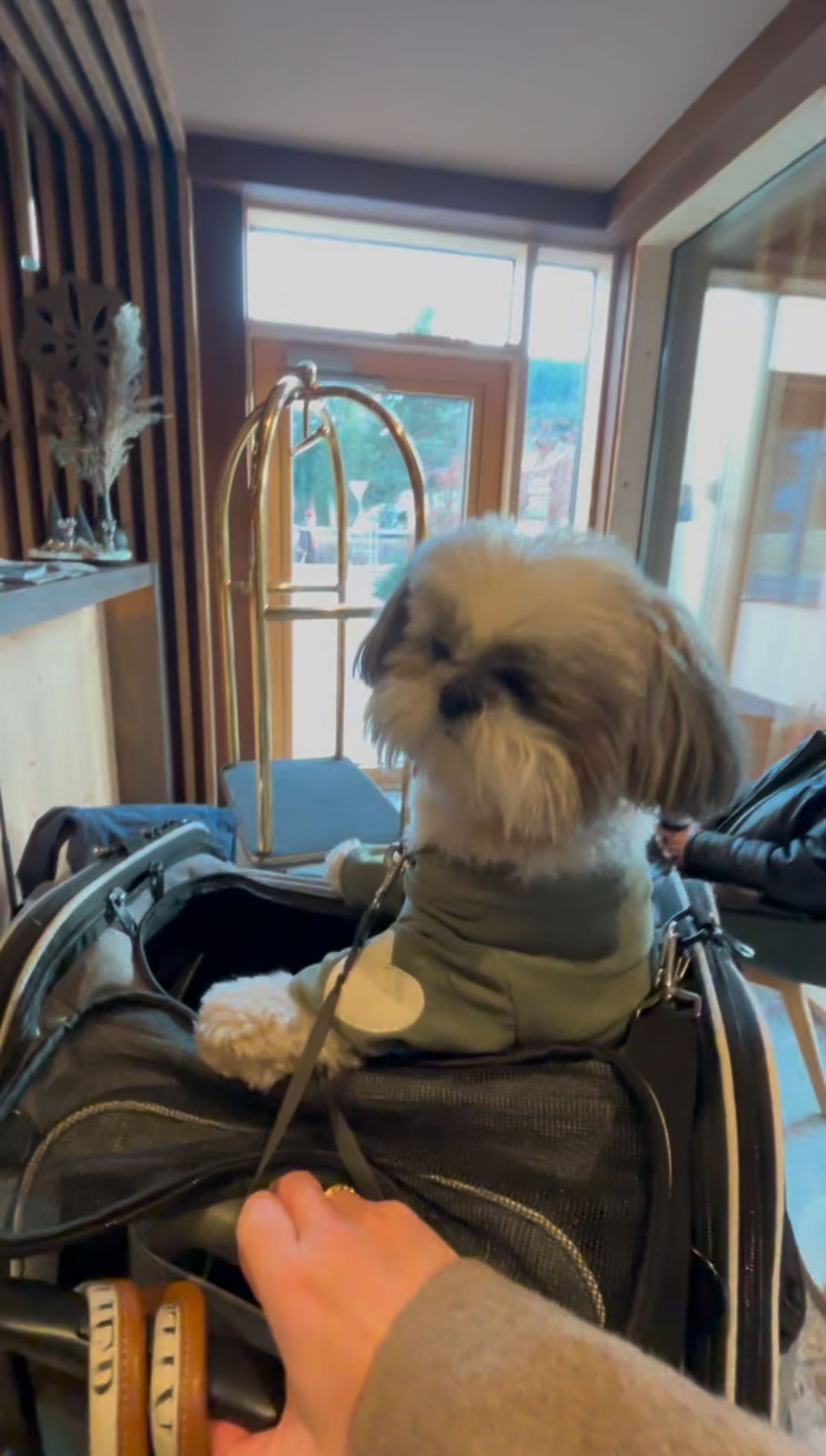
In fairness, she's on the go a lot. She comes to restaurants, markets and trains with me, and she'll nap in her bag while we're out. But that's not the same as proper rest. On a trip, managing your dog's rest is your job. Build quiet time into the day the same way you'd plan meals or walks.
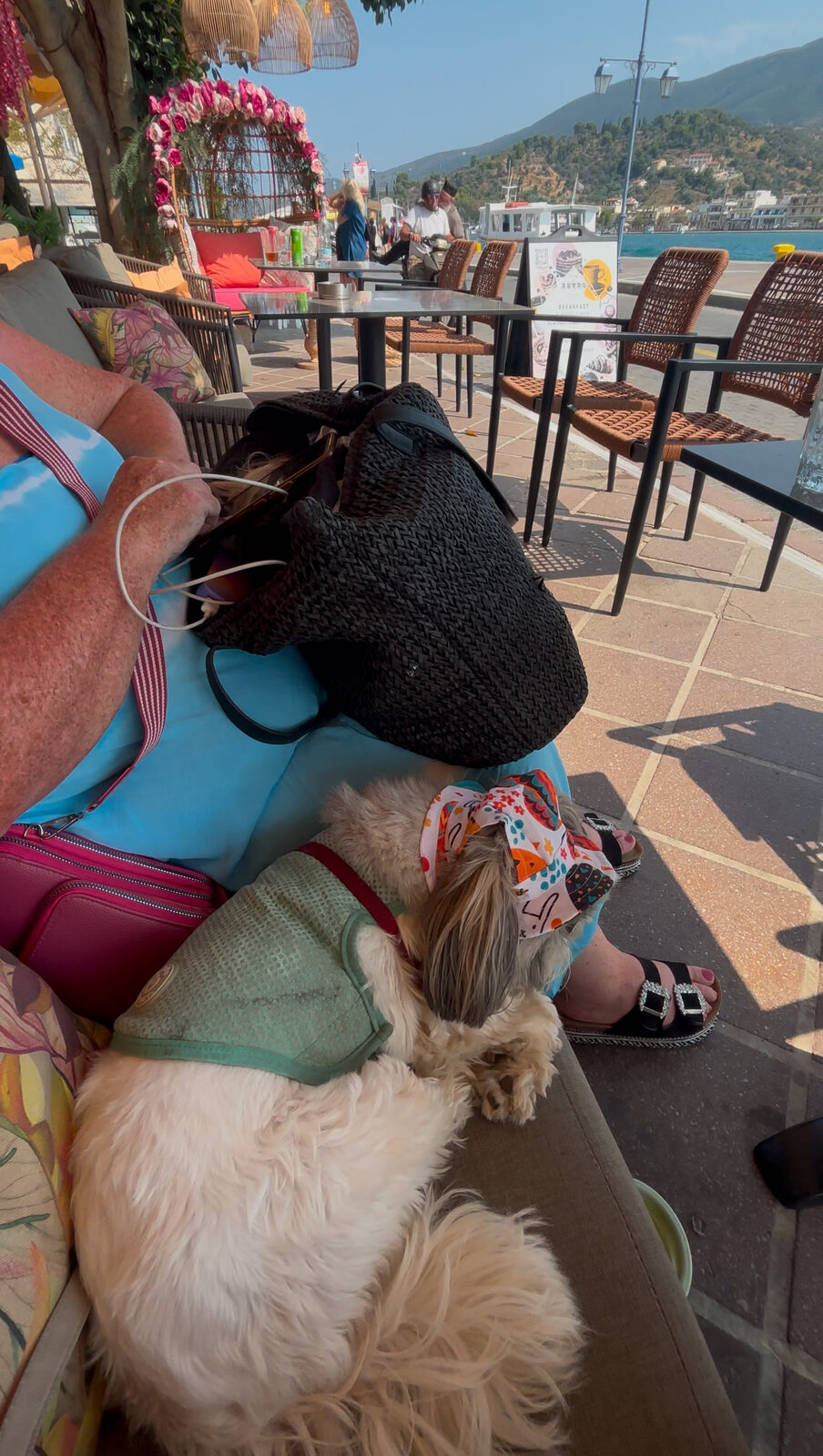
A nap under the table is lovely. It still isn't proper rest.
Leaving your dog in the hotel room
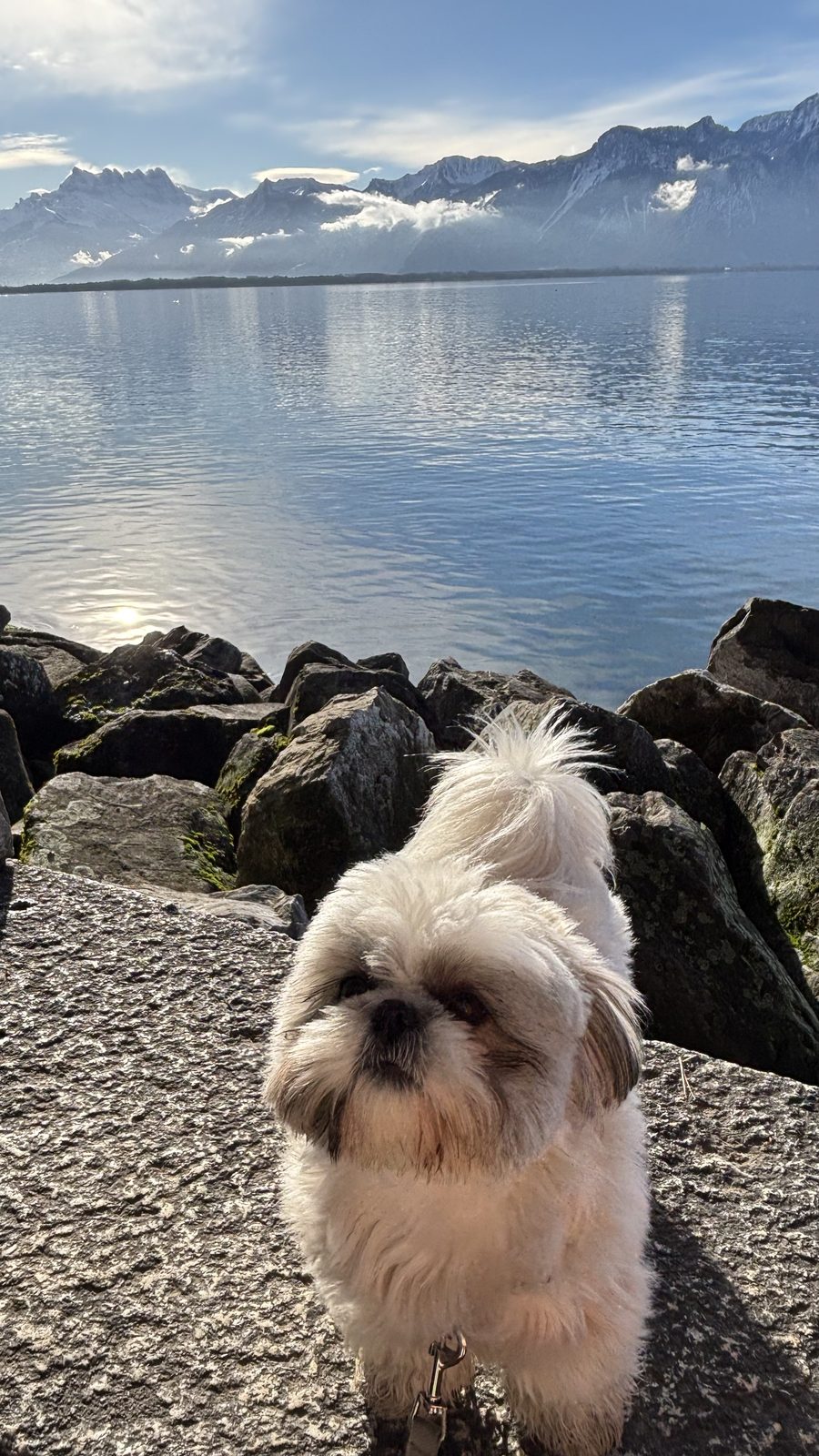
I always look for hotels that allow you to leave your dog in the room for a short time. Not because I plan to do it often, but because it gives both of us breathing room. In Montreux, for example, Daisy rested in the room while I spent a couple of hours at the spa.
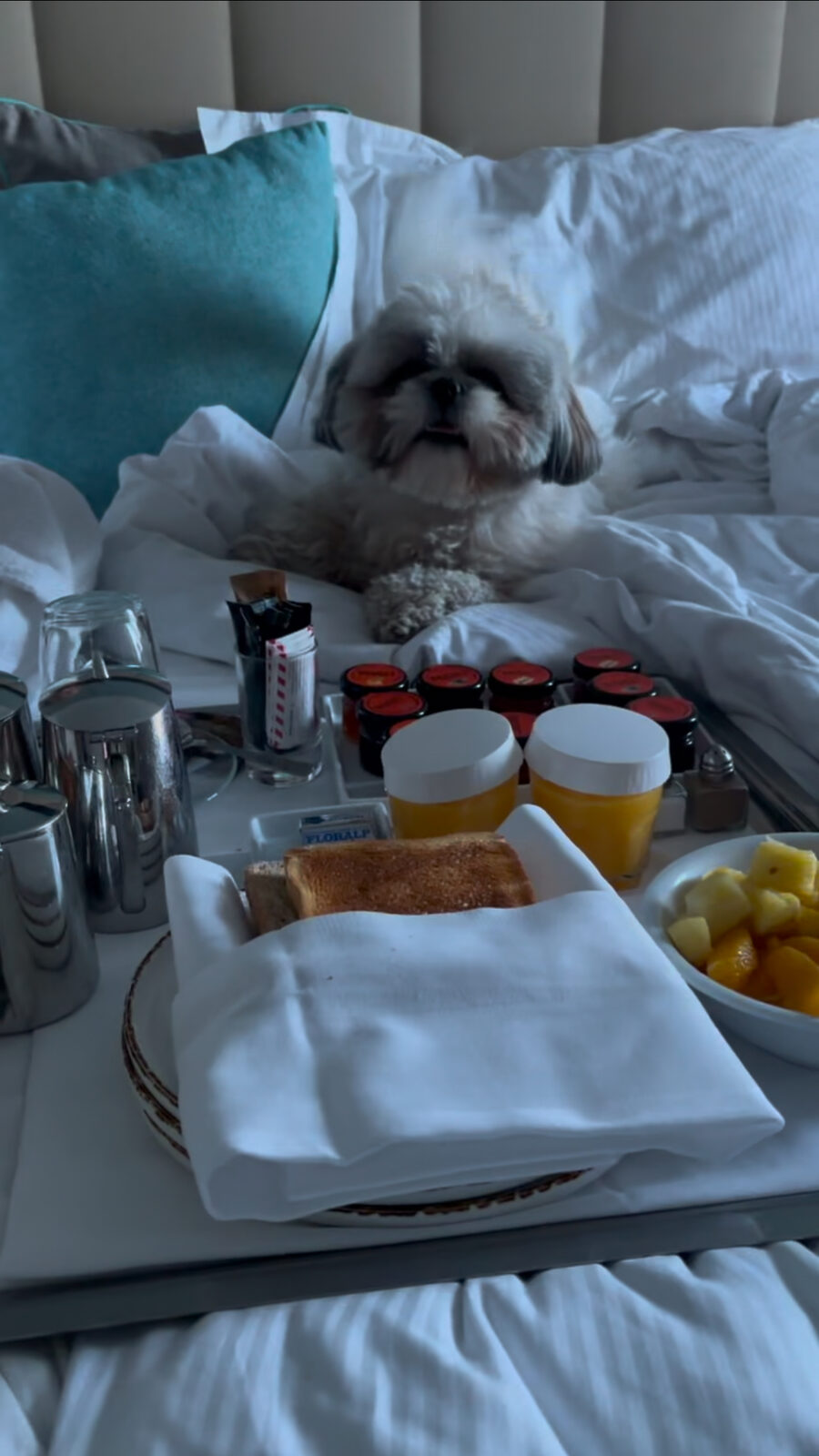
Never on the first night
I would never walk into a hotel room we've just arrived in and say "OK Daisy, see you later." She doesn't know the room. It doesn't smell like anything familiar yet. If I'm going to leave her for a couple of hours, I always wait until the next day, once she's settled in.
Watch them on camera
My trick is simple: I set up a Zoom call on my laptop in the room, then log in from my phone so I can watch her. It's exactly the same as checking the camera when she's home alone. She just sleeps away. She doesn't bark, she doesn't destroy anything, and I can enjoy myself knowing she's fine.
If you check in on camera and your dog is pacing, crying or barking, that's your answer. Go back.
The hotels I avoid
You've probably seen them. The no-frills, budget hotels (and I don't mean that in a snobby way) where every guest with a dog gets put on the ground floor. The owners head out for the day, and the whole floor is dogs barking their absolute heads off. There are probably pee stains on the carpet, and the smell is disgusting.
I don't think that's right. It's stressful for the dogs, unfair on the other guests, and it's exactly the kind of experience that makes hotels less willing to welcome dogs at all.
What I look for instead is a hotel that properly welcomes dogs rather than just tolerating them: dogs allowed in the restaurant and bar, staff who know your dog by name, and a policy that lets you leave your dog in the room when you need to, trusting you to know whether your dog can handle it. Breakfast rooms are still hit or miss, so always ask.

A bed, a bandana and a welcome back balloon. That's a hotel that wants your dog there.
Those are the questions I got tired of emailing hotels about, so every hotel I list answers them: the restaurant, the bar, breakfast, and whether your dog can be left in the room.
Take the train when you can
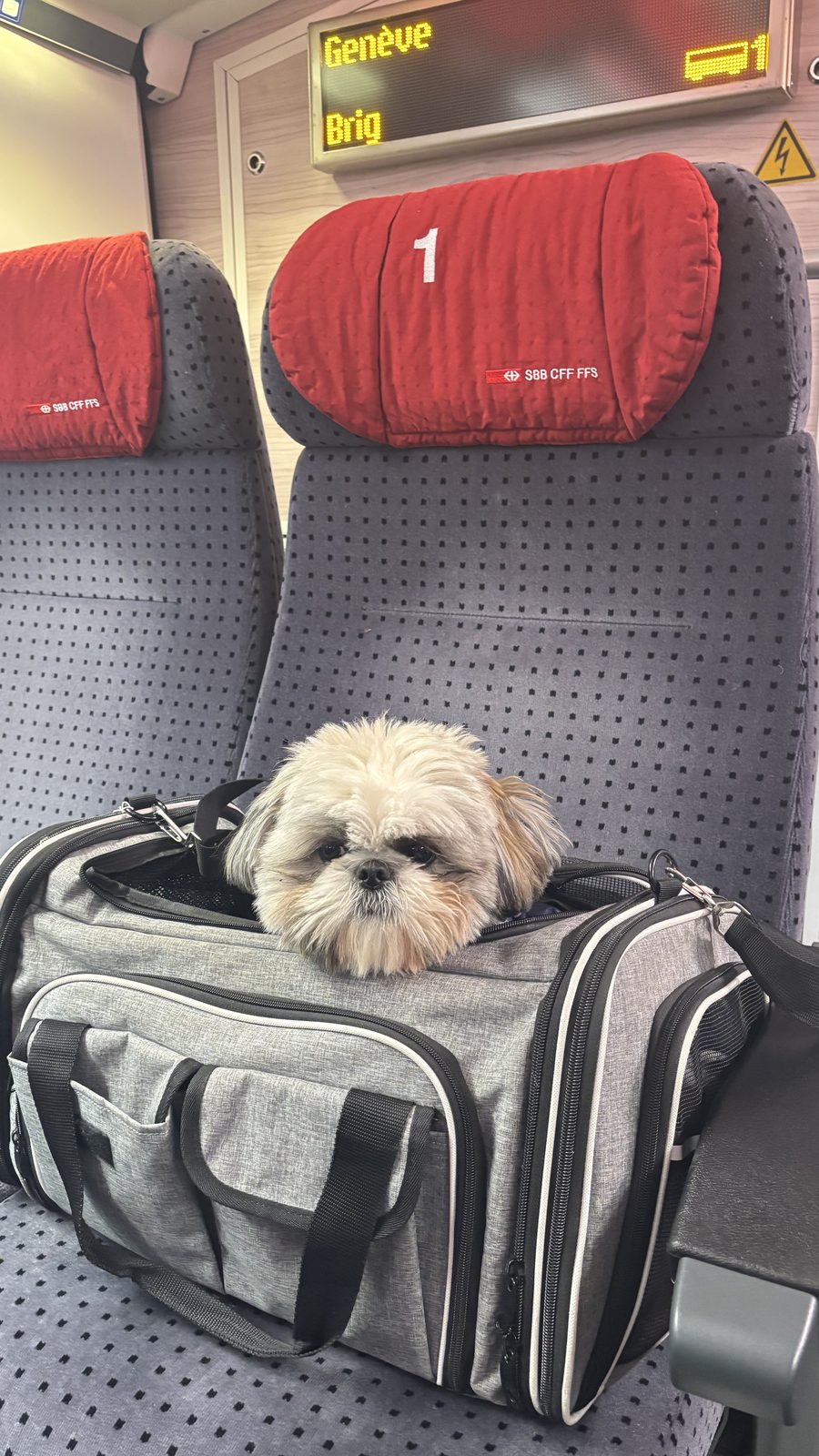
When there's a choice, I take the train over flying. It's an amazing solution with a dog. Daisy travels in her bag right beside me the whole way, whether that's first class through Switzerland or business class on ÖBB.
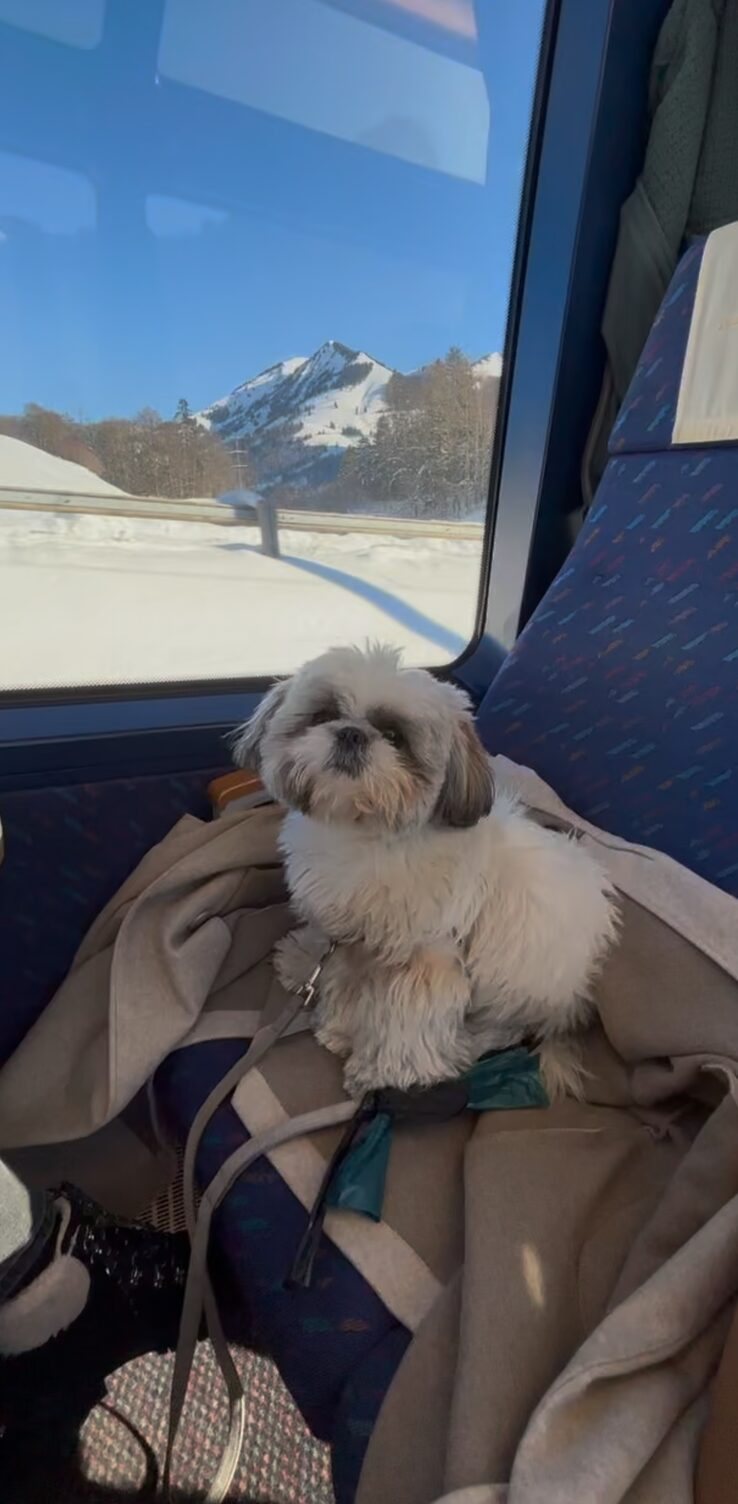
Ferries and pet cabins
This is my second pet peeve, and it really irritates the life out of me.
You board the ferry, you're shown to your pet cabin, the boat sets sail, and the number of people who just close the door on their anxious dog and head off to enjoy the ferry for the whole crossing is shocking. Meanwhile their dogs are stressed out of their minds in a moving, noisy, unfamiliar room.
If your dog has anxiety, you need to plan for it. Pop up to the bar, grab your food, and come back down to sit with them. A pet cabin is a place to be with your dog, not a place to leave them.
And if a journey is going to be distressing for your dog no matter what you do, be honest with yourself about whether they should be coming on that trip at all.
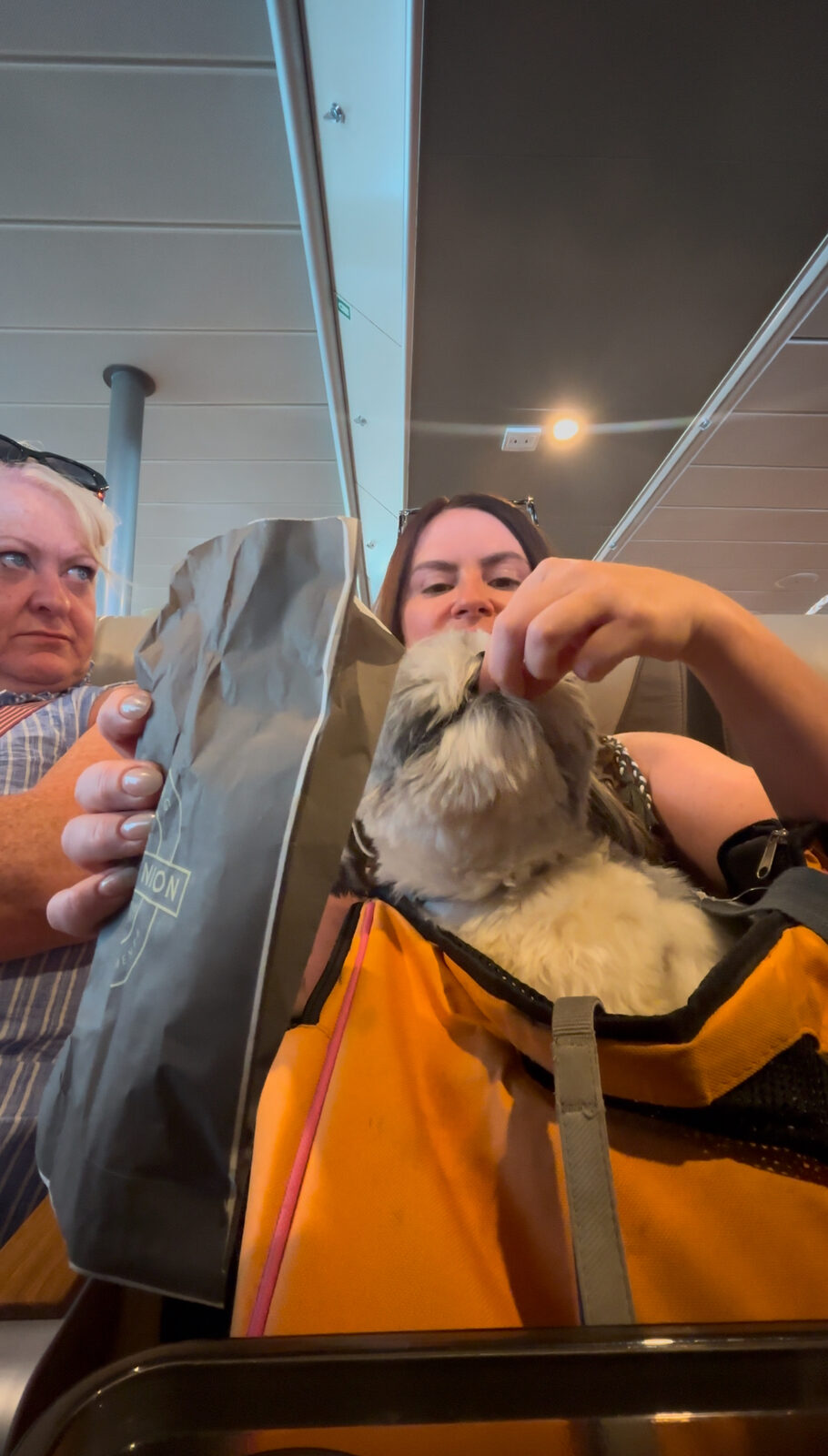
Not every activity is for every dog
Knowing your dog also means knowing which experiences suit them. At Glacier 3000 in the Swiss Alps, you take a cable car up to 3,000 metres and cross a suspension bridge. For Daisy, snug in her carrier, it was perfect. For a very sprightly dog, or one that's nervous at heights, it's not where you want to be.
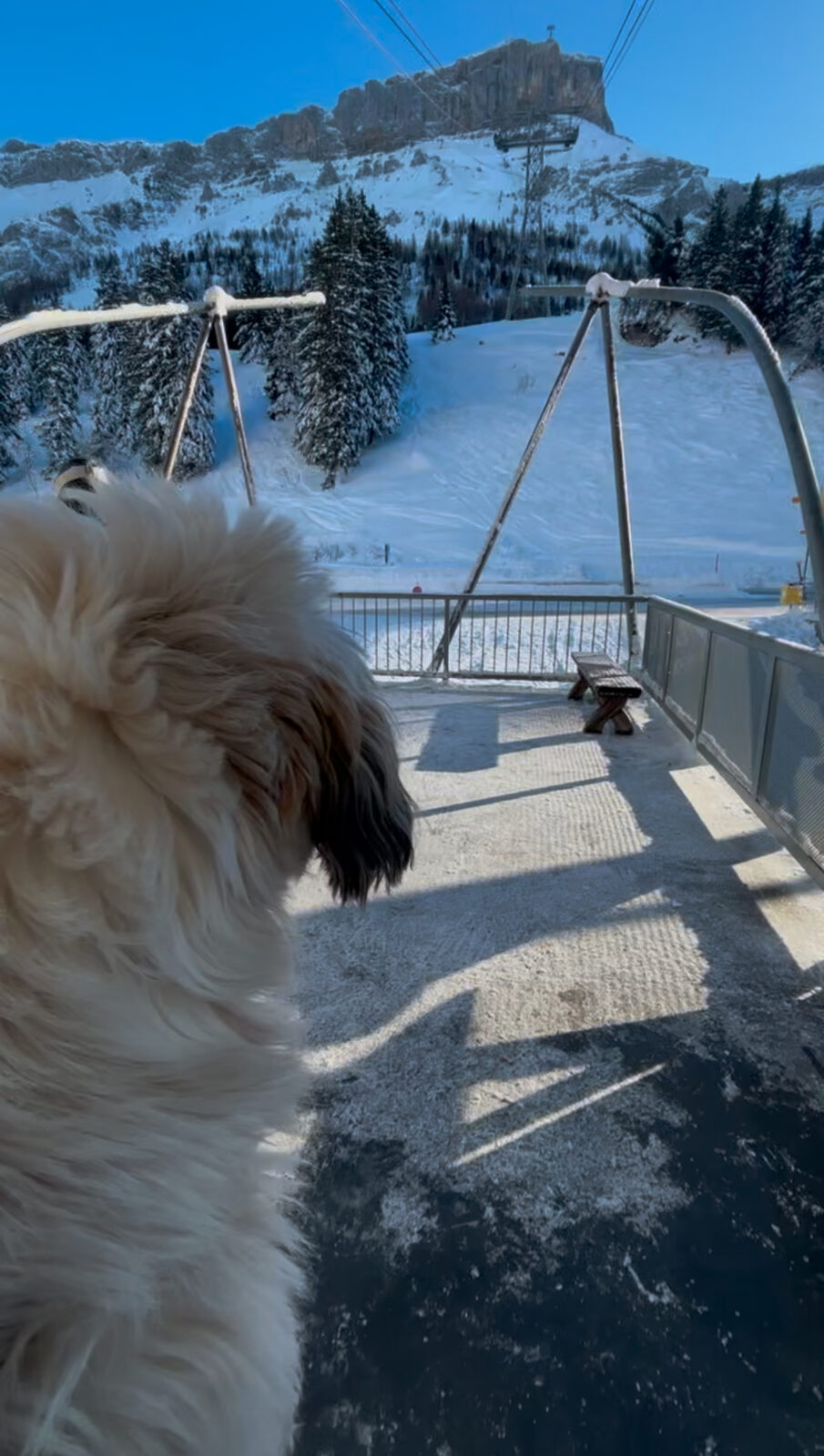
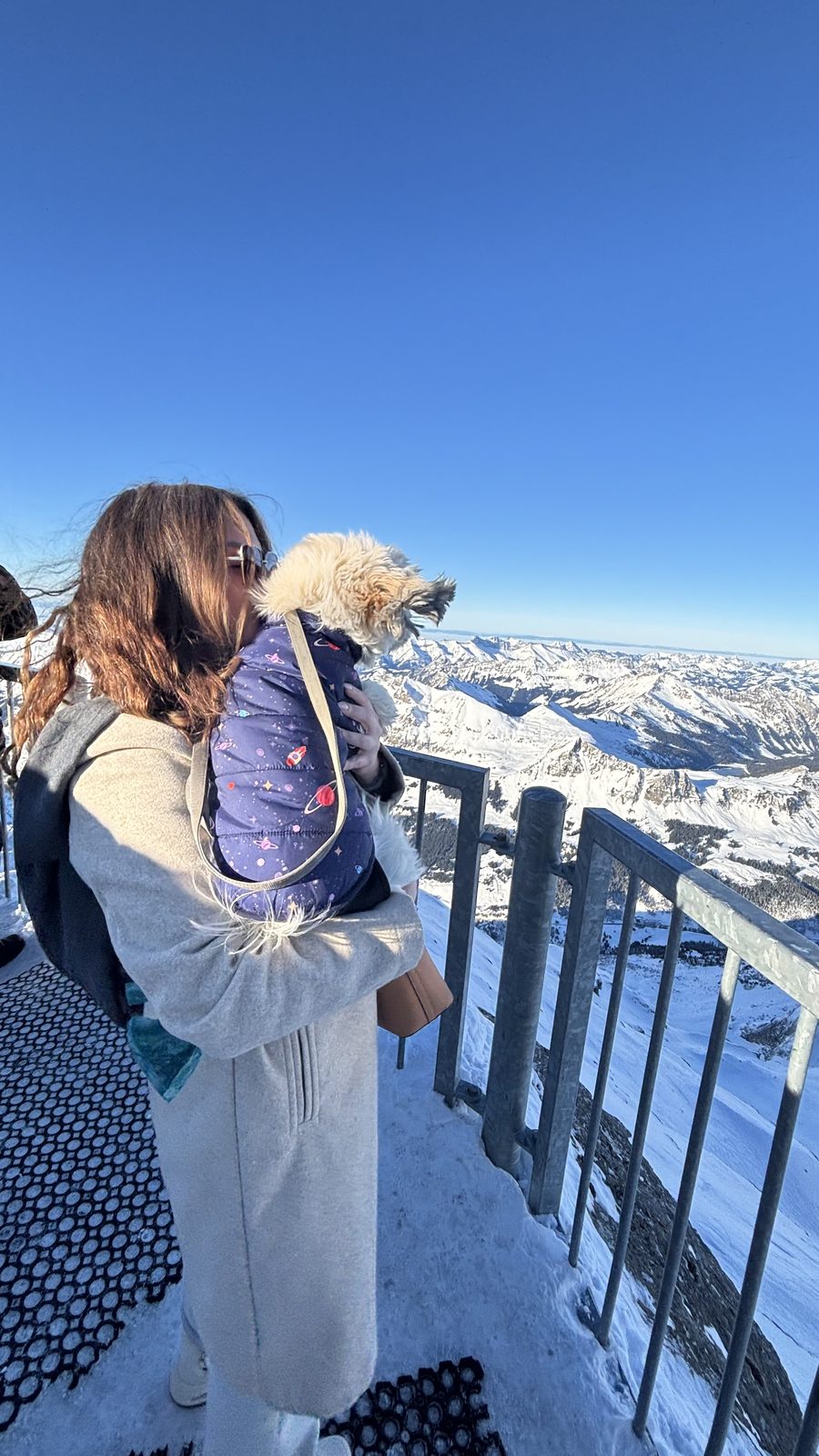
The same goes for busy Christmas markets, crowded restaurants and long travel days. Ask yourself honestly how your dog handles crowds, noise and new places, and plan the trip around the answer, not around the photos.
The know-your-dog checklist
- Rest: Have I planned proper downtime, not just naps in a bag?
- Alone time: Can my dog really settle alone in a new place? If not, I don't leave them.
- First night: Am I waiting until my dog knows the room before leaving them?
- Camera: Do I have a way to watch them, like a Zoom call on a spare device?
- Hotel: Does this hotel welcome dogs, or just park them on a ground floor?
- Journeys: If there's a ferry pet cabin or long transfer, will I be staying with my dog?
- Activities: Does this experience suit my dog, or just my photos?
Travelling with your dog should be a joy for both of you. Know your dog, plan around them, and every hotel, ferry and mountain gets easier.
Planning your next trip? Read my Christmas itinerary for Geneva, Montreux and Gstaad with Daisy.